
Film 1 of 9 · Master data, and the person behind the role
One person, many roles
One person, four systems, five records. Keep the person apart from the roles, and ask four questions to know what needs mastering.
Topics › Master and reference data › The same one, everywhere
A series on master and reference data. Linh graduated from one university, and now studies, tutors and does research there. She is five records in four systems, and nobody sees they are one person. Film by film, the university learns to keep the person apart from her roles, decide once who is who and which value wins, date the roles, own the lists that sort people, use each role's data only for its purpose, share one person across its systems, and keep it right.
Watch them in order: each film builds on the one before.
Film 1 of 9 · Master data, and the person behind the role
One person, four systems, five records. Keep the person apart from the roles, and ask four questions to know what needs mastering.
Film 2 of 9 · Master or reference data, the golden record, and deciding a match
Two records, one person? A check proposes pairs, weights make a score, and a steward decides the hard ones once, with a reason.
Film 3 of 9 · Survivorship: a rule declared for each field
Five linked records, and the values still disagree. Declare a rule for each field, not one order hidden in the code.
Film 4 of 9 · Roles and relationships, with dates
A status is true for a day. Give every role a start, an end and an owner, and ask any question as at a date.
Film 5 of 9 · Reference data, with an owner and a date
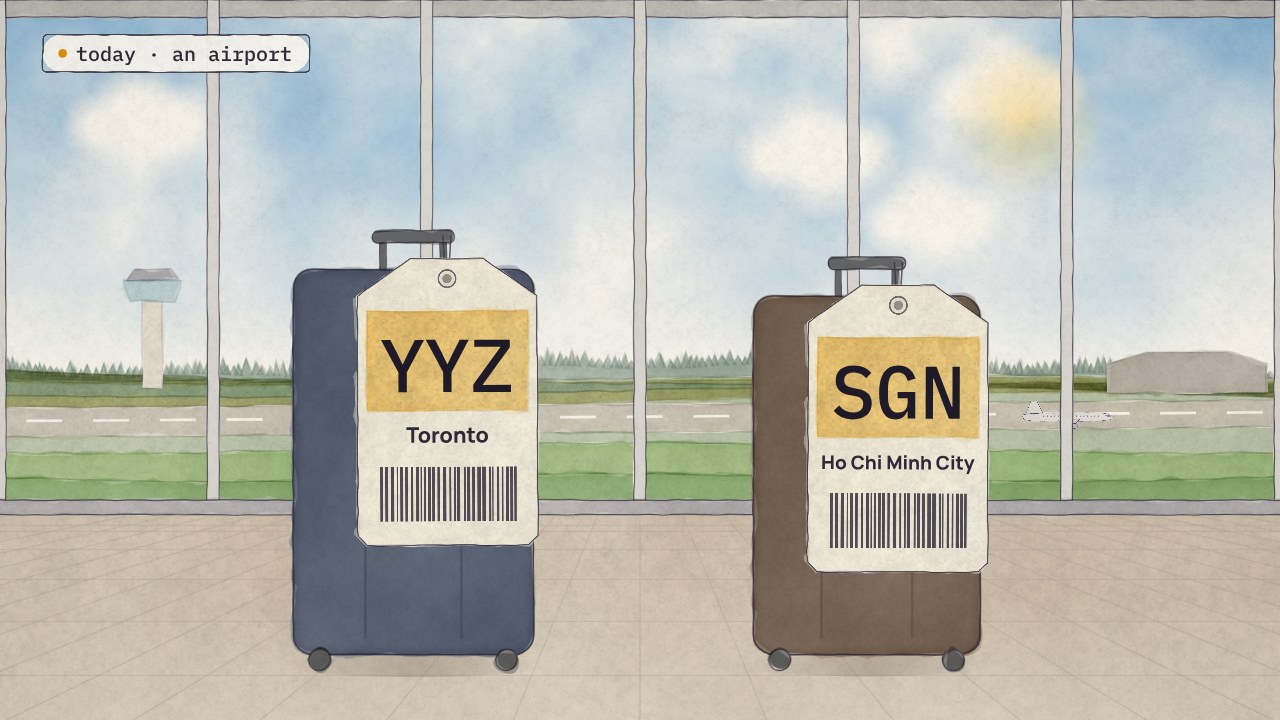
Three names for one role, and a country counted three times. Give each list an owner, a date and one home.
Film 6 of 9 · Purpose and consent, on each role and on the person
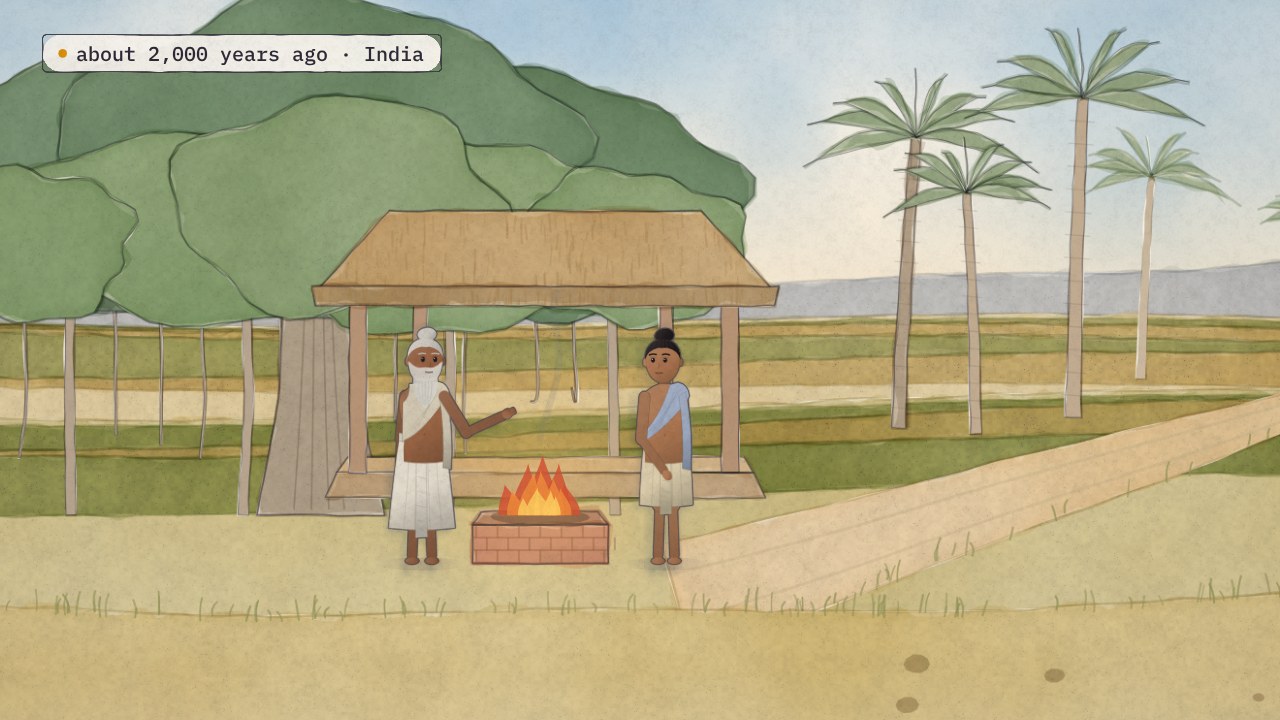
Data given for one role isn't free for every role. Write each role's purposes beside its data, and keep the person's wishes with her.
Film 7 of 9 · Master data, shared across systems
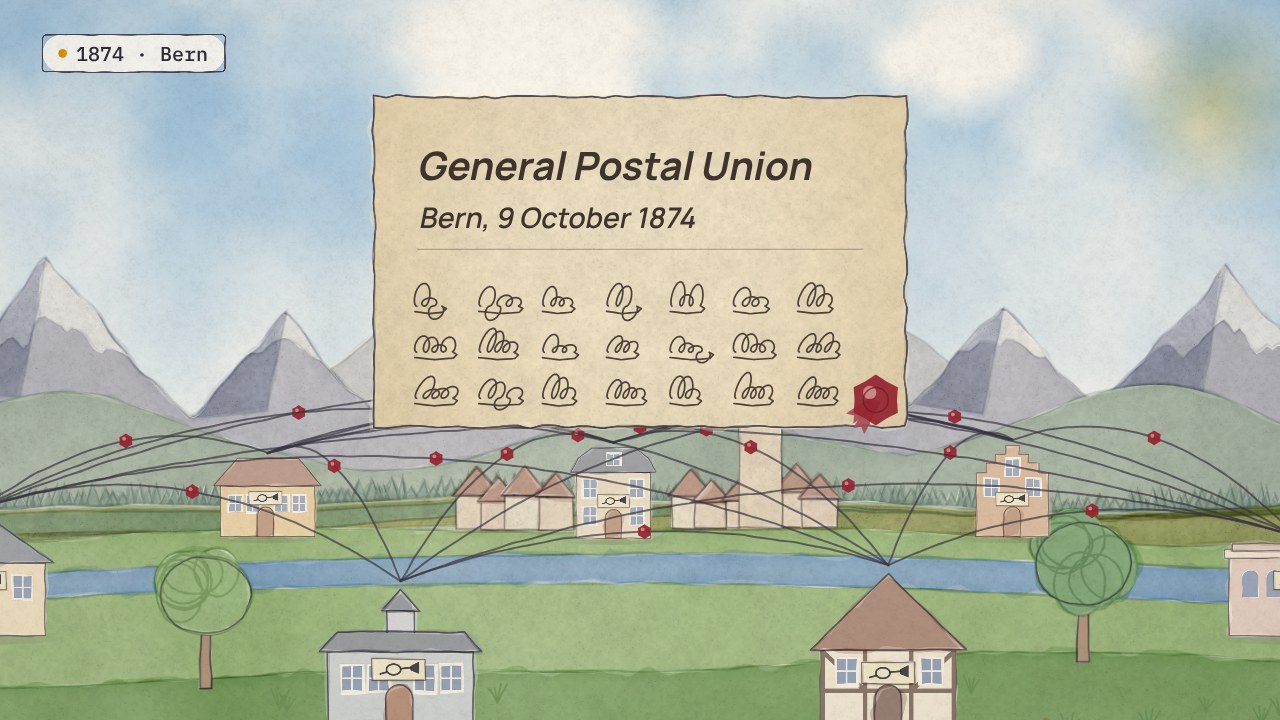
Four ways to give many systems one person. Search before you create, and choose the lightest way that solves the problem.
Film 8 of 9 · A master data hub, at work every day
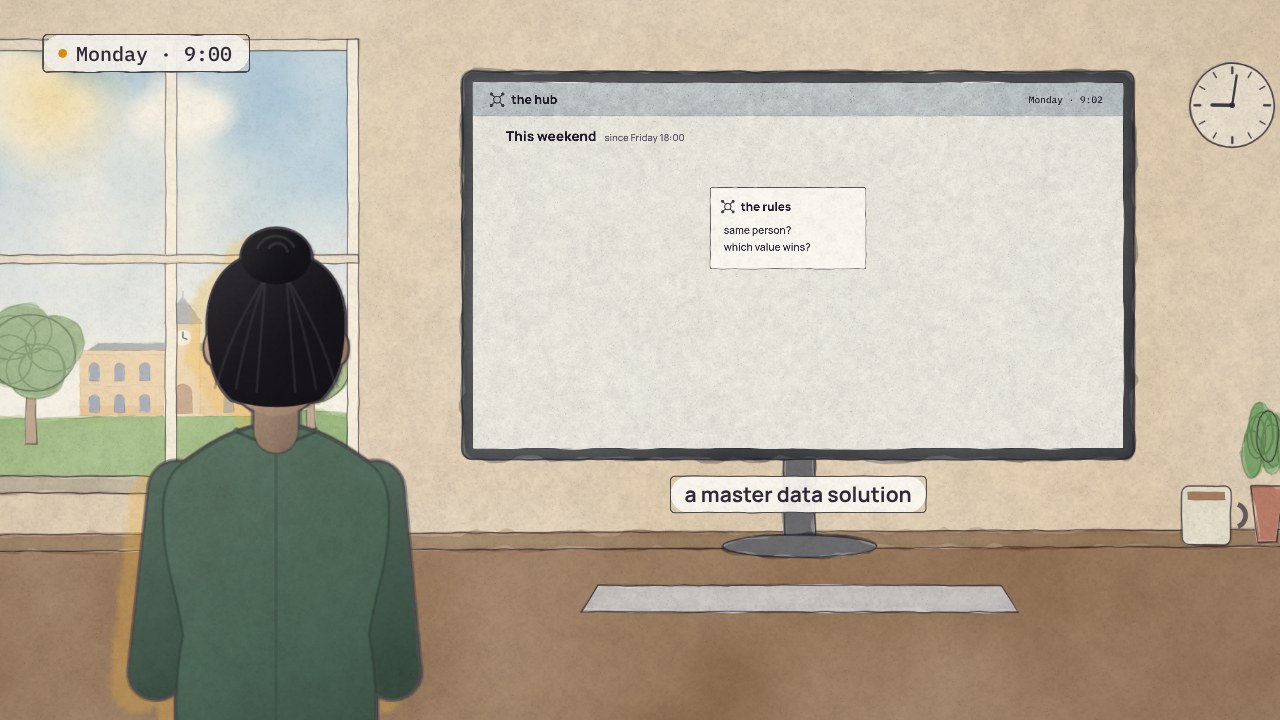
Rules act, AI suggests, people decide: a week in a master data hub, and five questions to ask any hub.
Film 9 of 9 · Master data, looked after every day
A clean-up merged two thousand duplicates, and a year later there were eleven hundred new ones. Check at entry, measure every day, and keep it.
29 hands-on labs, film by film, then 72 situations from every film. Your progress stays in this browser.
Take it apart: 29 hands-on labs →Make the call: 72 situations
Linh graduated from the university in 2022 and came back to study health informatics, under a new student number. She tutors a first-year unit, and this year she joined a research project. Each system knows one part of her, by its own number. Film by film, the university gives her one record that every system can read: roles that start and end, each value labelled with where it came from, matches decided once by the people who look after them, the lists that sort people owned and dated, and each role's data used only for its purpose.
| Film | Opens with | Still true today |
|---|---|---|
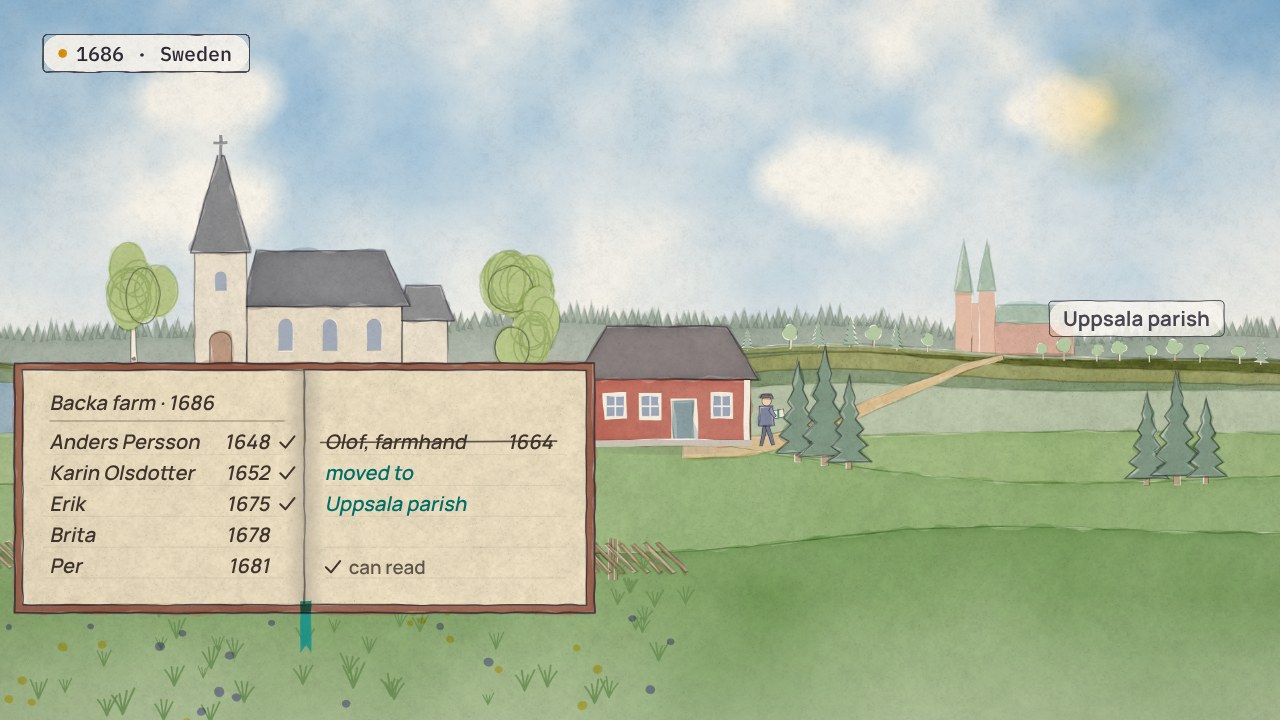
| One person, many roles | Sweden's parish books, 1686, and a number for life, 1947 | One person, written down once, and followed wherever they go. |
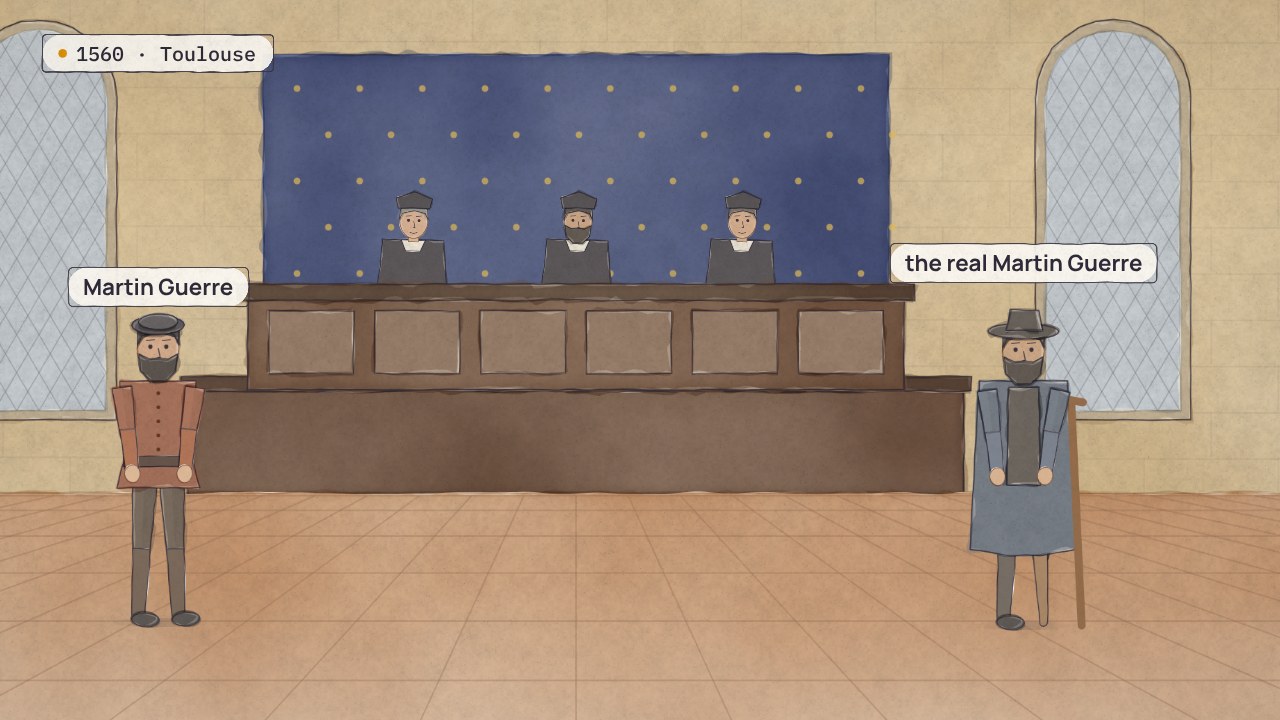
| Who is it? | Martin Guerre's village, Artigat, 1548 to 1560 | A man taken for another, because so much matched. |
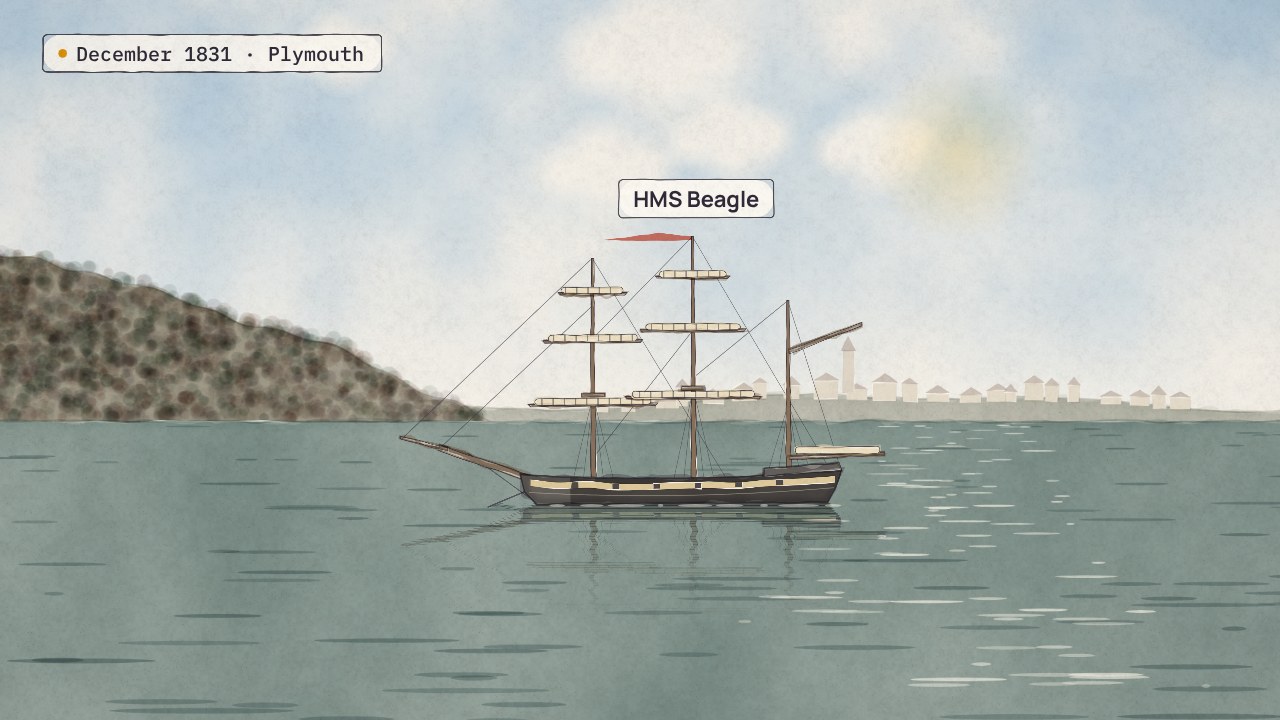
| Which value wins | HMS Beagle's twenty-two chronometers, 1831 to 1836 | Which clock to trust is decided before the clocks disagree. |
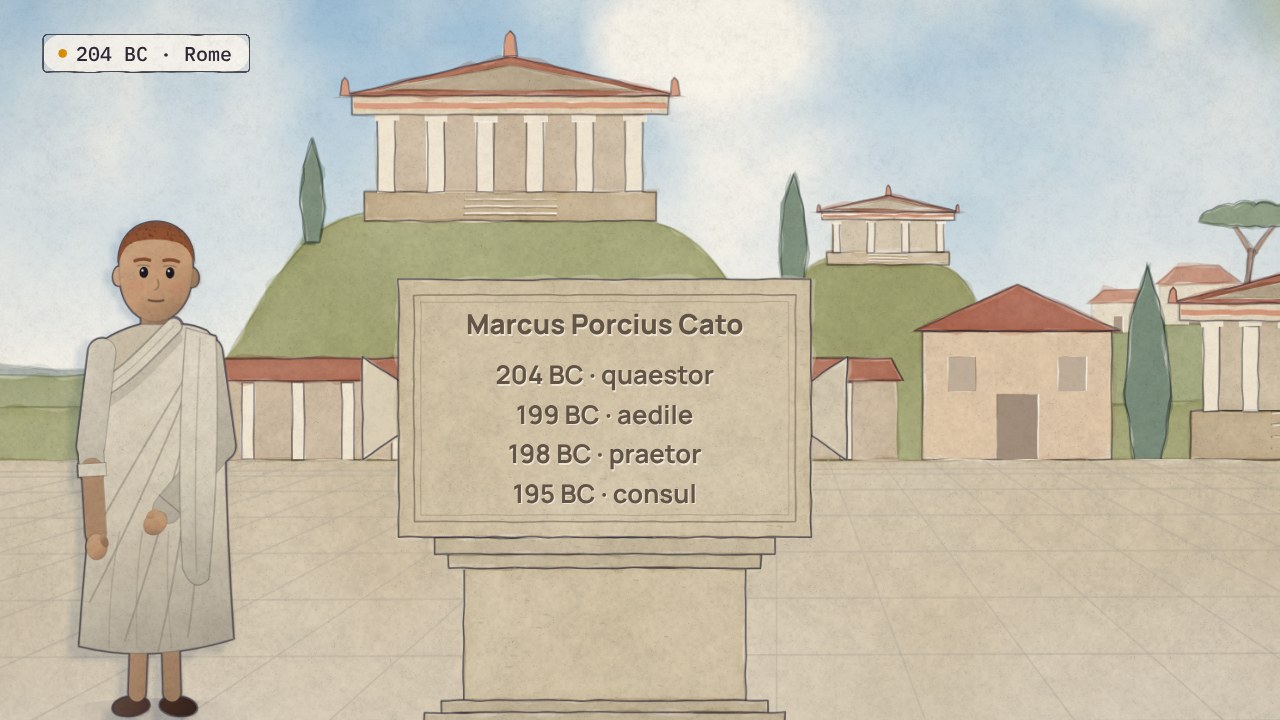
| Roles come and go | Rome, 204 to 184 BC: Cato's ladder of offices, each held for a year, and the census | Each role has its start and its end, and the person outlives them all. |
| Lists everyone uses | Airport codes: Toronto's YYZ, after Malton's old station code, and SGN, which still says Saigon | A code outlives its reason, because changing it costs everyone who uses it. |
| For this purpose only | India's Charaka Samhita, about two thousand years ago | What a healer sees in a home stays in that home. |
| One person, many systems | The treaty of Bern, 1874, and one postal territory | Each keeps its own, and they share the rules. |
| A hub at work | Today, not the past: a Monday morning at the hub | What the earlier films decided, at work every day. |
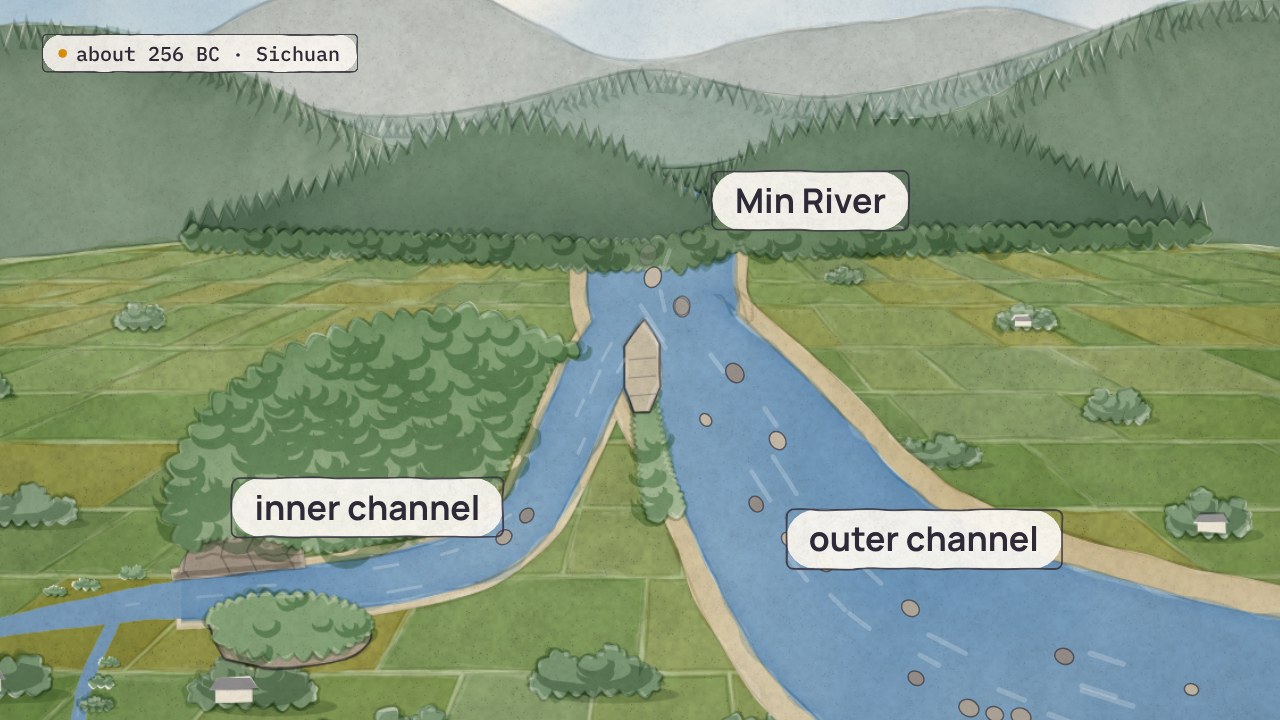
| Kept, not cleaned | Dujiangyan, in Sichuan, around 256 BC: a river split without a dam, and dug out to its mark in the dry season, year after year | What's kept every year lasts. What's cleaned out once decays. |
Cyan outlines are technical; gold outlines are business.
Linh Nguyen, a master's student, alumna, tutor and researcher, held as five records in four systems
Noor, the university's data architect
Mei, whose office decides who someone is, and whether two records are one
Jun, the analytics engineer, who turns what's decided into code, with tests